Source CE Certified Inflatable Banana Boat for Parks, Water Parks, and Amusement Centers
Find and compare 30 CE certified inflatable banana boat options from Chinese manufacturers. Evaluate specifications such as PVC material, custom sizes, and air pump accessories to select the right watercraft for your entertainment venue.
Key considerations
Products List


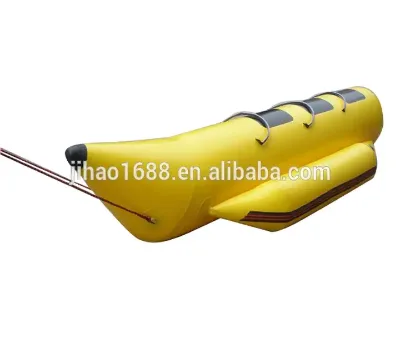


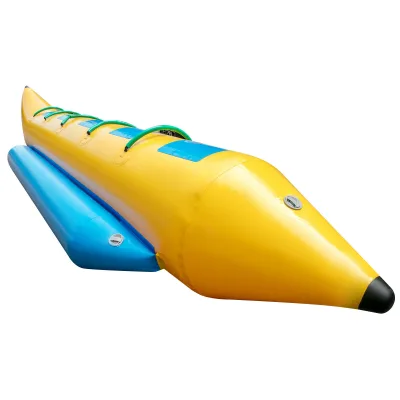
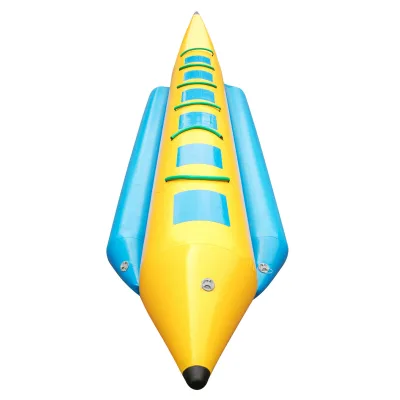


Comprehensive Sourcing Guide
Ce Certified Inflatable Banana Boat Sourcing Guide
Sourcing inflatable banana boats requires a disciplined approach to balancing recreational performance with rigorous safety compliance. These vessels are primarily designed for water-based entertainment, offering a stable yet dynamic platform for multiple passengers to be towed behind a motorboat. The core appeal lies in their durability and capacity to handle high-stress towing scenarios while providing an engaging experience for users. Buyers must recognize that while the product appears simple, its construction involves complex engineering decisions regarding material thickness, seam integrity, and inflation stability. The market offers a wide variety of options, ranging from basic single-tube designs to more complex multi-seat configurations, each requiring specific verification steps to ensure they meet operational demands and regulatory standards.
The procurement process is heavily influenced by the manufacturer’s ability to customize specifications while maintaining consistent quality. Many suppliers offer OEM and ODM services, allowing buyers to tailor dimensions, colors, and branding to their specific business needs. This customization capability is a significant advantage for operators looking to differentiate their offerings in competitive amusement or water park environments. However, customization introduces additional complexity in the verification phase, as buyers must ensure that modified designs do not compromise structural integrity or safety certifications. Understanding the balance between standard models and bespoke solutions is crucial for managing lead times, costs, and long-term maintenance requirements effectively.
Product Scope and Observed Listing Signals
The observed market signals indicate a diverse range of product configurations available from manufacturers, primarily originating from regions like Guangdong, China. Listings frequently highlight key attributes such as material composition, typically PVC, and varying capacity ranges that can accommodate different passenger loads. Buyers should note that observed specifications include models with capacities ranging from under 500kg to over 500kg, suggesting a broad spectrum of vessel sizes and strengths. The presence of multiple product models, such as HYBB05, HYBB04, and HYDL13, indicates that suppliers maintain extensive catalogs to cater to different market segments, from small-scale recreational use to larger commercial operations.
Color and aesthetic customization are prominent features in the current market, with many suppliers offering colorful designs to enhance visual appeal in amusement settings. The standard packaging often involves PVC bags or cartons, which protects the inflatable during transit but requires careful handling upon arrival. Additionally, the inclusion of accessories like air pumps is a common value-add that simplifies initial setup for end-users. Buyers should pay close attention to these observed signals, as they provide a baseline for understanding the typical features and expectations associated with inflatable banana boats. However, these signals should be treated as observations rather than guarantees, requiring direct verification with suppliers to confirm availability and specific product details.
Technical Specifications to Verify
Verifying technical specifications is critical to ensuring the inflatable banana boat meets operational requirements and safety standards. Key parameters to confirm include the material type, thickness, and durability ratings, as these directly impact the vessel’s lifespan and resistance to punctures or abrasions. Buyers should also verify the maximum allowable passenger count and weight capacity, ensuring that the selected model aligns with their intended usage scenarios. The inflation system, including the number of chambers and valve types, is another essential aspect that affects safety and ease of use. Multiple chambers provide redundancy, allowing the vessel to remain buoyant even if one section is compromised, which is a crucial safety feature for water-based activities.
Dimensions and size customization options should be carefully evaluated to ensure the vessel fits within the operational constraints of the buyer’s facility or fleet. Standard sizes may vary, with some models offering specific dimensions like 5.6x2.45M, while others allow for fully customized dimensions. The height of the inflatable, typically ranging from 2 to 5 meters, also plays a role in stability and passenger comfort. Buyers should request detailed technical drawings or specifications from suppliers to verify these parameters. Additionally, the weight of the product, which can vary based on actual construction, should be considered for logistics and handling purposes. Ensuring that all technical specifications are clearly documented and agreed upon before production begins is essential to avoid discrepancies and ensure customer satisfaction.
Compliance and Safety Documentation
Compliance with safety standards is non-negotiable when sourcing inflatable banana boats, particularly for commercial use. Buyers must verify that the products hold relevant certifications, such as CE, which indicates conformity with health, safety, and environmental protection standards for products sold within the European Economic Area. Some listings also mention additional certifications like CCC, ISO, ROHS, UL, and UV certificates, which may be relevant depending on the target market and specific regulatory requirements. It is crucial to request copies of these certificates and verify their authenticity with the issuing bodies to ensure they are valid and applicable to the specific product model.
In addition to certifications, buyers should inquire about the testing procedures and quality control measures implemented by the manufacturer. This includes information on pressure testing, seam strength testing, and material durability assessments. Understanding the manufacturer’s approach to safety documentation helps buyers assess the reliability of the product and the supplier’s commitment to quality. Buyers should also consider the warranty terms, which often range from two to three years, as an indicator of the manufacturer’s confidence in their product. A comprehensive warranty policy can provide peace of mind and protect against potential defects or failures during the initial period of use.
Cost Drivers and Commercial Terms
The cost of inflatable banana boats is influenced by several factors, including material quality, customization level, and order quantity. Observed price ranges in the market vary significantly, reflecting differences in product specifications and supplier pricing strategies. Buyers should be aware that lower prices may correlate with reduced material thickness or simpler construction methods, which could impact longevity and safety. Customization options, such as unique colors, logos, or dimensions, often incur additional costs due to the specialized production processes involved. Understanding these cost drivers helps buyers make informed decisions that balance budget constraints with quality requirements.
Commercial terms, such as MOQ (Minimum Order Quantity) and lead times, also play a significant role in the procurement process. Observed MOQs can be as low as one piece, offering flexibility for small-scale buyers, while lead times typically range from 10 to 15 days, depending on the complexity of the order and production schedule. Shipping methods, including sea, air, and express options, affect both cost and delivery speed. Buyers should negotiate clear terms regarding payment, shipping, and liability to avoid unexpected expenses or delays. Additionally, understanding the trade terms, such as EXW (Ex Works), helps clarify responsibilities for transportation and insurance during transit.
Supplier Qualification and Quality Control
Selecting a reliable supplier is paramount to ensuring the quality and safety of inflatable banana boats. Buyers should conduct thorough due diligence on potential suppliers, verifying their business credentials, production capabilities, and quality control processes. Suppliers with a strong reputation in the industry, such as Huayue Toys, often have established track records and customer testimonials that can provide insights into their reliability. It is also important to assess the supplier’s ability to provide consistent quality across multiple orders, as this ensures long-term operational stability.
Quality control measures should be clearly defined and agreed upon before production begins. This includes specifying inspection points, testing protocols, and acceptance criteria for the final product. Buyers may consider hiring third-party inspection services to verify product quality before shipment, especially for large orders or high-value transactions. Additionally, establishing a clear communication channel with the supplier facilitates timely resolution of any issues that may arise during production or delivery. Building a strong relationship with a qualified supplier can lead to better pricing, priority production, and improved support for future orders.
Long-Term Procurement Checks
Long-term procurement success depends on continuous monitoring and evaluation of supplier performance and product quality. Buyers should establish key performance indicators (KPIs) to track metrics such as delivery times, product defect rates, and customer feedback. Regular reviews of these metrics help identify potential issues early and allow for corrective actions to be taken promptly. Additionally, staying informed about changes in safety regulations and industry standards ensures that procured products remain compliant and relevant over time.
Maintenance and support services are also critical components of long-term procurement. Buyers should verify the availability of spare parts, repair services, and technical support from the supplier. A robust support system minimizes downtime and extends the lifespan of the inflatable banana boats. Furthermore, fostering open communication with the supplier encourages collaboration on product improvements and innovation. By maintaining a proactive approach to procurement, buyers can ensure a steady supply of high-quality inflatable banana boats that meet their operational needs and safety standards.
FAQs
What certifications do the inflatable banana boats have?
The inflatable banana boats carry CE certification as a standard requirement. Some models also include ROHS, UL, and UV certificates to ensure safety compliance for international buyers and amusement park operators.
Can I customize the size and logo of the boat?
Yes, customization is available for both size and logo. The standard size is 5.6x2.45M but can be customized, and you can add a customized logo to the product for branding purposes.
What is the minimum order quantity for these boats?
The minimum order quantity is one piece for most models. This low MOQ allows buyers to test the product quality before placing larger orders for amusement parks or water parks.
How long does it take to receive the order?
The lead time is typically 10 to 15 days after order confirmation. Shipping can be arranged by sea, air, or express depending on your urgency and destination requirements.
What material is used to make the inflatable boat?
The boats are constructed from durable PVC material. This material ensures longevity and safety, with a warranty period of 2 to 3 years depending on the specific model purchased.
Where are these inflatable boats manufactured?
These products originate from Guangzhou, China, or the broader Guangdong region. The manufacturing facilities are located in China, ensuring access to established supply chains for inflatable toys.